Skip to content
Elaine Lizeo
Sign in

Consulting • Mentoring • Training

When everyone pulls a different way, nothing moves.

To lead is to build the conditions for people, teams and organisations to keep learning and to sustain better results.

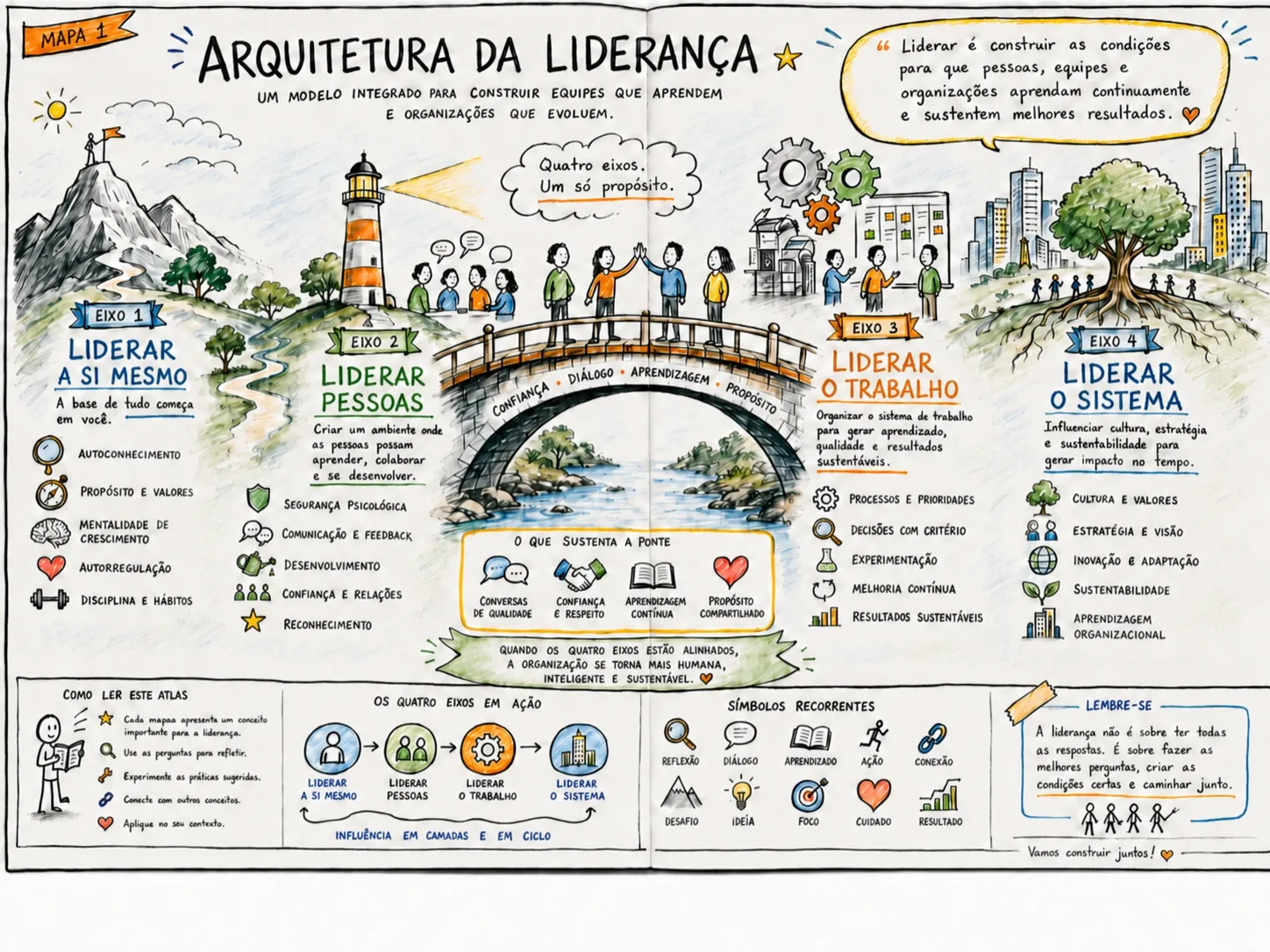
The Leadership Architecture is an integrated method, built on four axes, for turning scattered effort into focused force.

24 questions · 5 minutes · results right away

Quatro cordas puxando para lados diferentes se unem numa única corda trançada que move o objetivo Ilustração animada: quatro pessoas puxam cordas em direções divergentes e nada se move. As pontas são então reunidas em um nó e trançadas em uma corda só. Com a força focada, o bloco à direita finalmente se desloca. Cada corda tem a cor de um dos quatro eixos da Arquitetura da Liderança. Leading Yourself Leading People Leading the Work Leading the System RESULT scattered effort — nothing moves focused force — the result moves
01 The problem

The problem is almost never a lack of effort.

In most teams that stall, people are competent, committed and well intentioned. What is missing is not effort — it is alignment between the conditions that would let that effort turn into results.

  • Nobody disagrees in meetings and everyone complains in the corridor afterwards.

  • Everything is urgent which is exactly why nothing is really a priority.

  • The same mistake comes back quarter after quarter, under different names.

  • Each area delivers its own part and the customer receives a badly stitched sum of all of them.

  • The leader became the bottleneck because nothing moves without going through them.

  • The target was hit by burning out the team that would have to hit the next one.

None of these is solved by pushing harder. All of them are solved by changing the conditions.

03 What holds it up

A bridge is not held up by the goodwill of the people crossing it.

The four axes cross over the top. Underneath there are four pillars — and they are what decides whether the crossing happens at all.

Quatro pilares erguem-se do rio e sustentam a ponte que os quatro eixos atravessam Ilustração animada: quatro pilares de pedra sobem do rio — inscritos com confiança, diálogo, aprendizagem e propósito — e sustentam o arco e o tabuleiro de uma ponte, atravessada por quatro pessoas nas cores dos quatro eixos da Arquitetura da Liderança. Quem atravessa quase não vê os pilares — e são eles que seguram tudo. TRUST DIALOGUE LEARNING PURPOSE those who cross barely see them — and they hold everything up
  • Trust and respect

    The credit that lets someone disagree without breaking the relationship, and own a mistake without becoming a target.

  • Conversations worth having

    Not more meetings. Conversations where someone changes their mind because they heard something they did not know.

  • Continuous learning

    What happened last week changes how the team works this week. If nothing changes, no learning happened.

  • Shared purpose

    Everyone can say what the work is for — and they all give the same answer.

04 Where to start

Two paths, the same method.

For companies

Your company has strong specialists becoming managers with no preparation.

A leadership track for whole teams, with an assessment at the start and at the end, evolution tracked per manager and per team, and material that keeps being useful long after the programme ends.

  • Corporate track across the four axes
  • Comparable initial and final assessments
  • Evolution dashboard for the manager
  • Closed cohorts, in person or online
Request a proposal
For you

You were promoted for what you delivered — and nobody taught you the rest.

A path of personal and professional development that begins where everything begins: in how you lead yourself. Then people, then the work, then the system.

  • Individual track across the four axes
  • An assessment of your starting point
  • Mentoring and follow-through
  • Practical tools from the Playbook
See the path
05 Where this comes from

Twenty years of practice on a foundation of research.

The Playbook — Teams That Learn, Leaders Who Transform and the Leadership Architecture are two faces of the same work: one explains the dynamic, the other organises the development.

Leadership is not about having all the answers. It is about asking the better questions, creating the right conditions, and walking alongside.
Elaine Lizeo
  • A model from a thesis, not from a slide

    The conceptual base is the dynamic model of group learning I developed in my doctoral thesis. It is not a compilation of other people’s frameworks: it is original research, tested in the field.

  • Systems thinking, applied

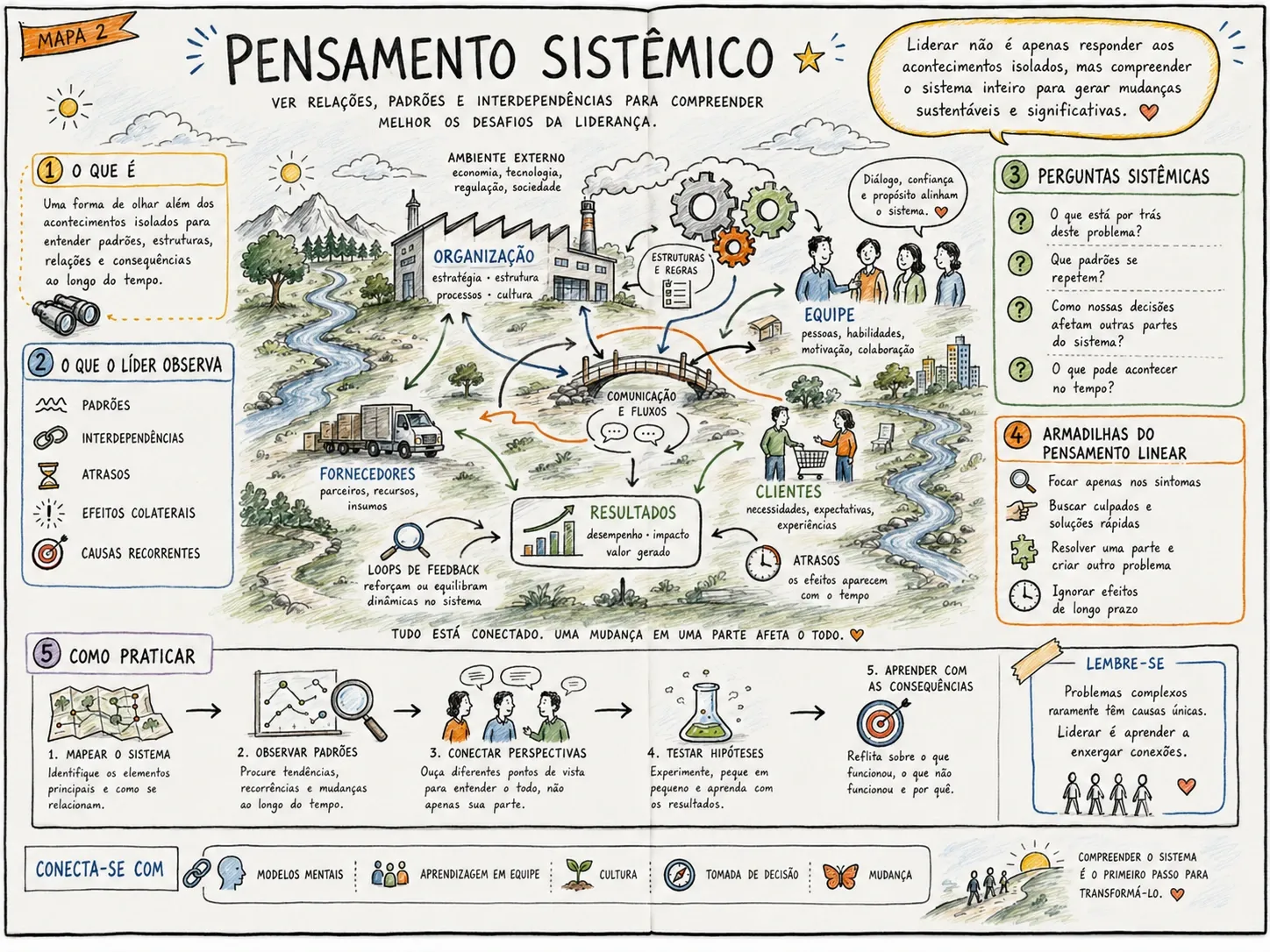
    Teams do not fail for lack of good people. They fail because of dynamics — reinforcing loops, delays, invisible trade-offs. I teach people to see the system instead of blaming the person.

  • From diagnosis to intervention

    Every concept comes with a diagnostic question, a practical tool and a seven-day experiment. You leave the session with something to do on Monday.

  • About me
06 Visual Atlas

Nine hand-drawn maps.

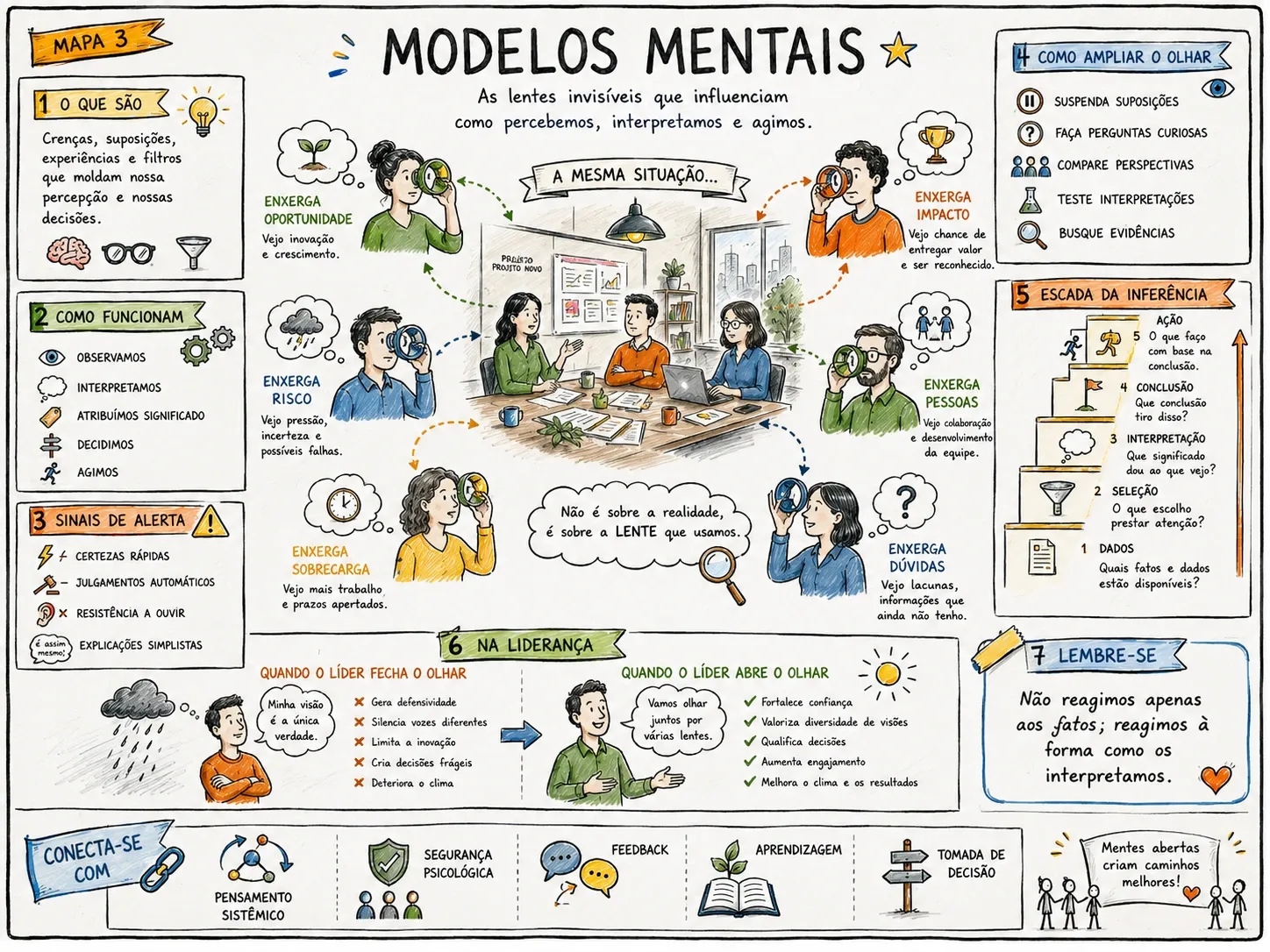
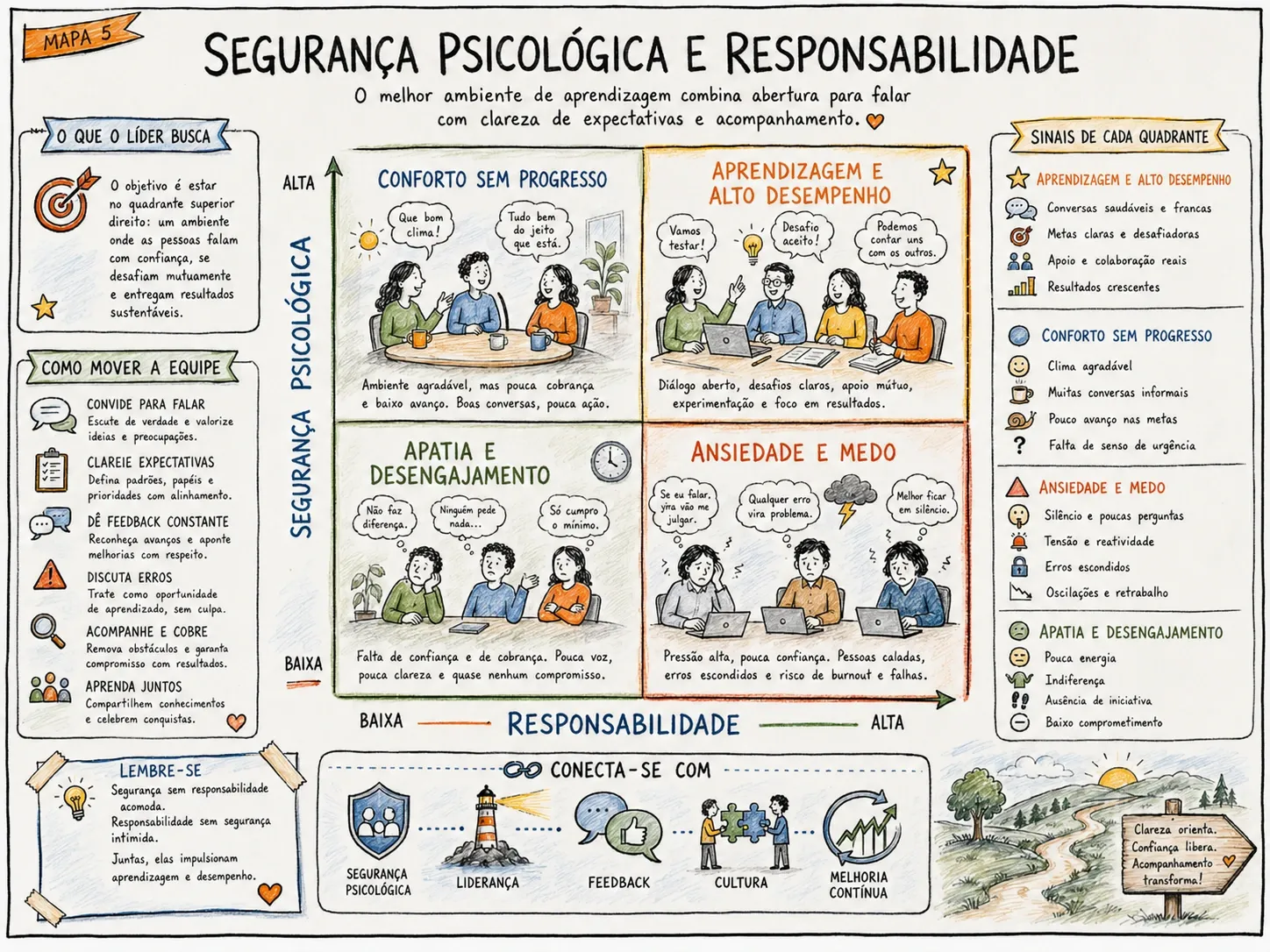
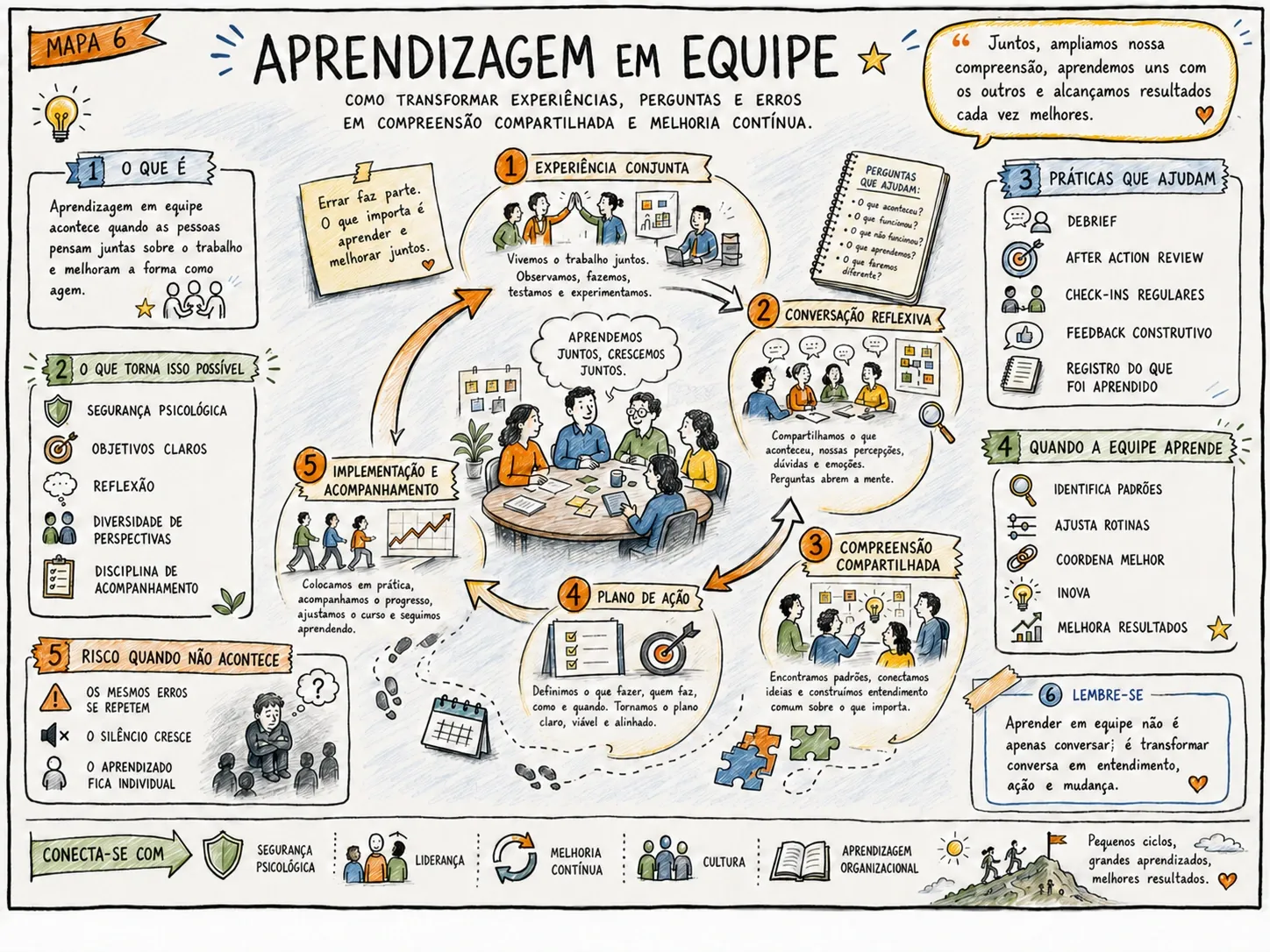
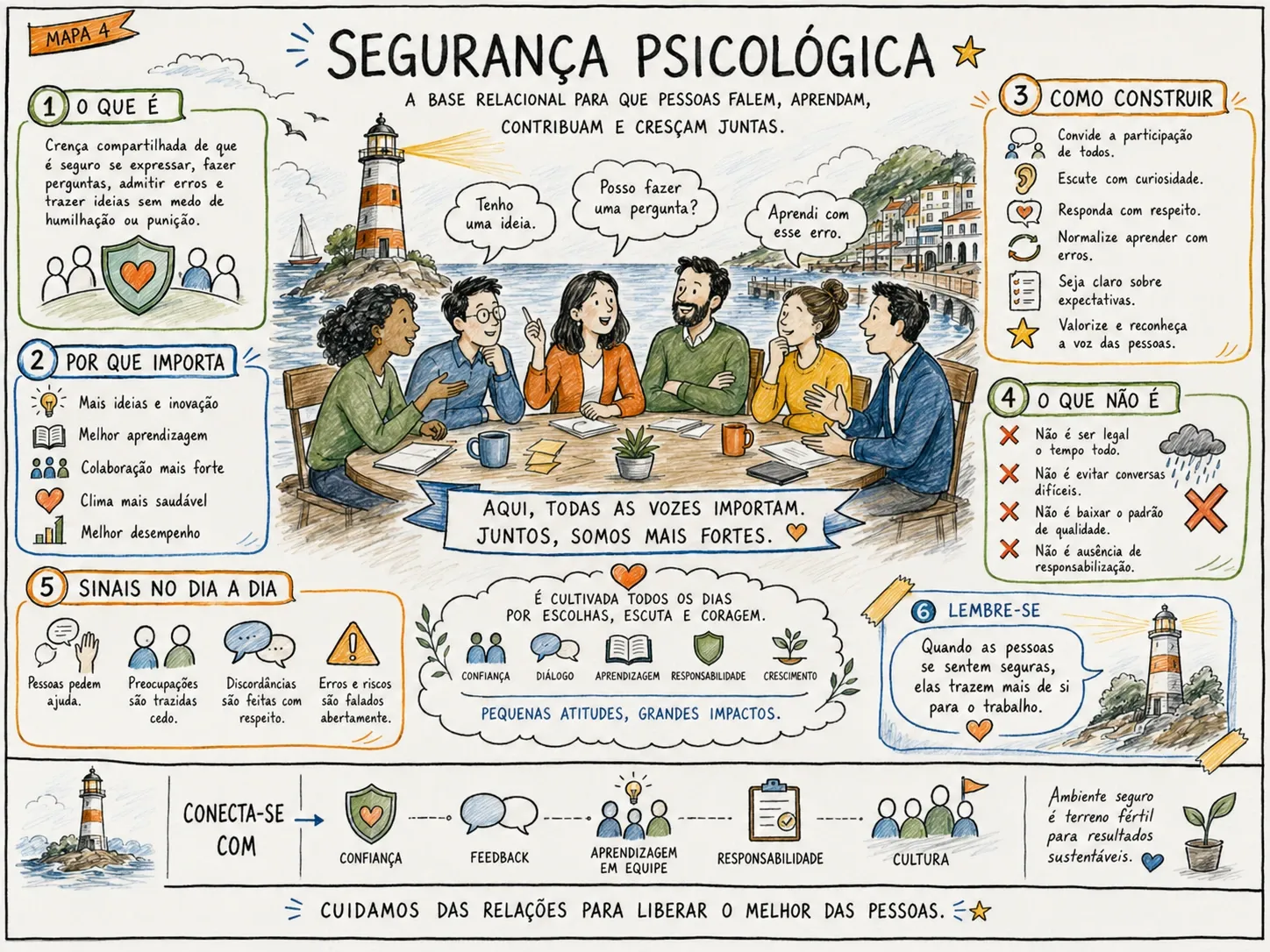
Every concept in the method became an illustrated map: what it is, the central question, what it strengthens, the practices that help, and the signs that it is fragile. Made to live on a wall — and now to be read here. (in Portuguese)

See the full atlas
07 Free assessment

Which of the four axes is your weakest?

Twenty-four questions — six per axis, drawn from the competencies each map develops. At the end you see your profile across the four axes, your weakest point, and three practices to start there. No sign-up needed to see the result.

Start the assessment 5 minutes · immediate result
08 Questions

Questions that always come up.

What is the Leadership Architecture?

It is an integrated method for developing leaders, organised into four axes — leading yourself, leading people, leading the work and leading the system — which influence one another in a cycle. It was created by Elaine Lizeo from the dynamic model of group learning developed in her doctoral thesis.

What are the four axes of leadership?

Axis 1, leading yourself: self-awareness, purpose, mental models, self-regulation and habits. Axis 2, leading people: psychological safety, trust, feedback, development and collaboration. Axis 3, leading the work: processes, decisions with criteria, experimentation, coordination and continuous improvement. Axis 4, leading the system: culture, strategy, innovation, sustainability and organisational learning.

Can companies bring the track to their own teams?

Yes. The corporate track runs in closed cohorts, in person or online, with an assessment at the start and at the end of the programme and evolution tracked per manager and per team.

Is the assessment free?

Yes. The four-axis assessment has 24 questions, takes about five minutes, and shows the result immediately, with no sign-up required to see it.

Playbook · coming soon

Teams That Learn,
Leaders Who Transform

The systemic playbook built on the dynamic model of group learning from Elaine’s doctoral thesis. The first chapter is being written.

  • A snapshot of team effectiveness: a self-assessment across five dimensions
  • A simple map of the dynamic — to find your team’s point of leverage
  • A seven-day experiment, with what to watch for over time
What is in the chapter It will be free.